Ukraine
14 Sep 2026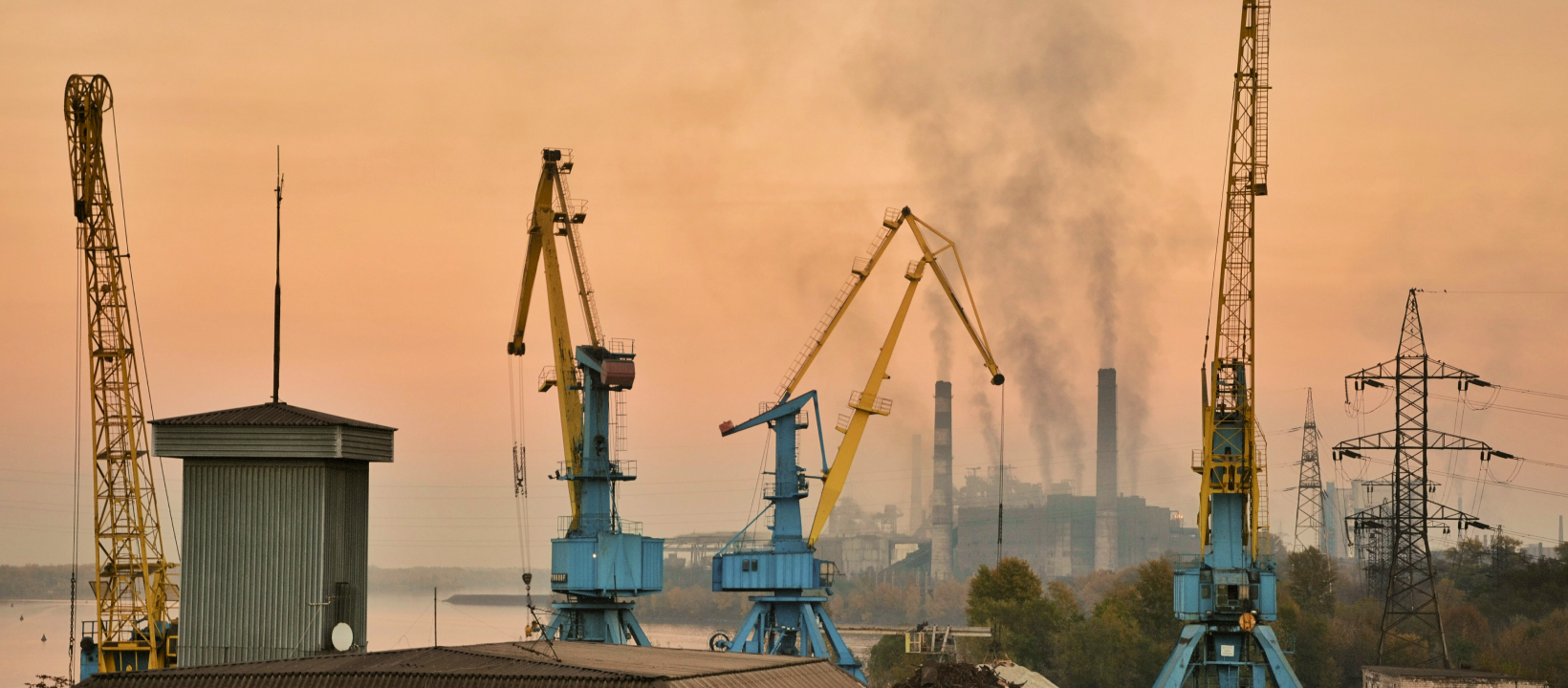


Since Russia’s full-scale invasion, the widespread and systematic pillage of Ukraine’s natural resources has severely weakened the country’s economy and recovery prospects. Minerals, coal, oil, gas, and other assets are allegedly being extracted and trafficked by Russian State-linked and private actors in violation of IHRL, IHL, and ICL. Given Ukraine’s critical mineral reserves and Europe’s push for energy diversification, accountability for resource pillaging will remain a central issue, including in any future peace negotiations.
The Mobile Justice and Business and Human Rights Teams support Ukrainian prosecutors and investigators in documenting and analysing the pillage of natural resources. The project focuses on mapping exploitation, identifying responsible actors, and strengthening cases under international humanitarian and human rights law, criminal law, and business and human rights standards.
The main objective of the project is to assist the Ukrainian Office of the Prosecutor General (OPG), regional prosecution offices (RPOs) and investigative entities in Ukraine with mapping natural resources exploitation, identifying relevant actors involved in pillaging schemes, including entities profiting from illegal trafficking and sale, and monitoring financial transactions associated with the illicit sale of natural resources to identify links to entities financing the Russia’s war of aggression against Ukraine.
Drawing on GRC’s long-standing presence in Ukraine and its unique ability to bridge atrocity crimes expertise with business and financial accountability, the project assists Ukrainian authorities in advancing accountability for the illegal exploitation and trafficking of natural resources, including by strengthening evidence-based cases across criminal, human rights, and business and human rights frameworks.

Combining open-source intelligence (OSINT), satellite imagery, and desk research, the team will map and assess the scale and scope of resource exploitation detailing its economic, environmental, and social consequences. The findings will be published in a public report.
Along with regional divisions, the Mobile Justice Team (MJT)’s work is complemented by thematic expertise, including on sexual and gender-based violence (SGBV), humanitarian crisis violations, attacks on critical civilian infrastructure, environmental crimes, and crimes against and affecting children. Embedded within the OPG and RPOs and with unique access enabling the MJT to understand key needs and gaps better, the MJT is uniquely positioned to support Ukrainian justice efforts.
The Business and Human Rights team is committed to advancing corporate accountability and meaningful access to justice for individuals and communities affected by business-related human rights harms. We aim to promote an integrated approach to responsible business conduct, ensuring that companies uphold human rights standards, mitigate risks, and provide effective remedies for those impacted by their operations.
Global Rights Compliance, an active member of the Atrocity Crimes Advisory Group (ACA), established and leads the Mobile Justice Teams (MJTs) in partnership with the Dutch Ministry of Foreign Affairs, the International Development Law Organisation (IDLO) and the T.M.C. Asser Institute. The MJTs support the Ukrainian Office of the Prosecutor General and Regional Prosecutors' Offices in investigating and prosecuting conflict-related crimes in line with international standards.
Ukraine
14 Sep 2026
Ukraine
08 Jun 2026