

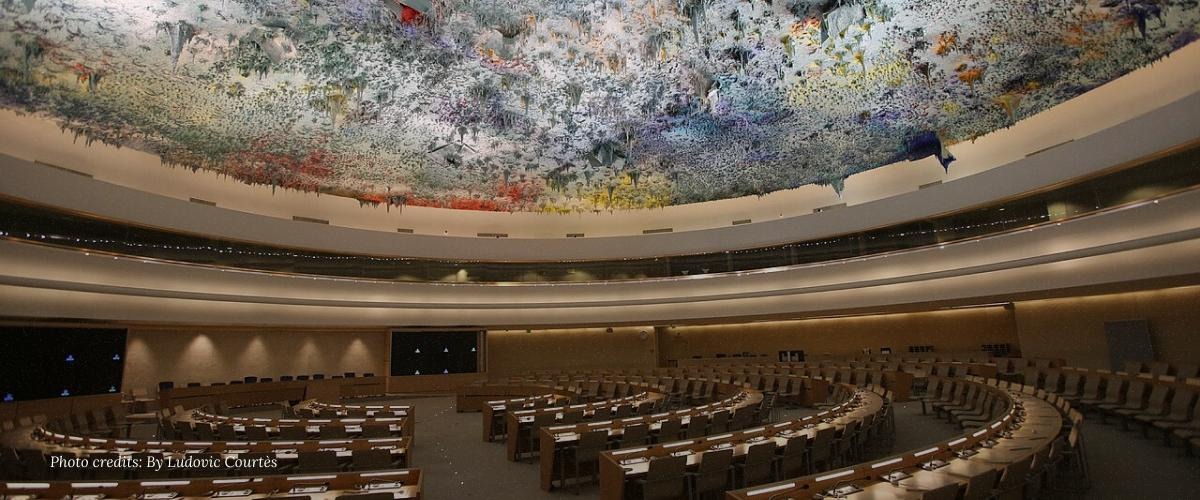
The 62nd session of the Human Rights Council concluded with the adoption of 28 resolutions addressing some of the most urgent human rights challenges in conflict and crisis settings.
GRC welcomes the sustained international attention to these developments and the continued strengthening of accountability efforts for serious violations of international human rights law and international humanitarian law.
Among them, the Council called for an urgent inquiry into alleged violations and abuses committed in and around El Obeid, Sudan, amid concerns about escalating violence, siege-like conditions, and the risk of large-scale atrocities. The session also included important resolutions on the obstruction and denial of humanitarian access, the protection of health care in armed conflict, and the human rights of persons with disabilities.
The Council also extended, among other thematic mandates, the mandate of the Working Group on Business and Human Rights for a further three years. This is a timely reminder of the need for companies operating in conflict-affected and high-risk areas to conduct meaningful human rights due diligence and ensure that business activities do not contribute to serious human rights violations or international crimes.
For GRC, these developments underscore the importance of practical, legally grounded work to strengthen accountability processes. Across its programmes, GRC works with national and international actors to support the documentation of violations, strengthen investigations and prosecutions of international crimes, and promote justice processes that are victim-centred, inclusive, and guided by international legal standards.