

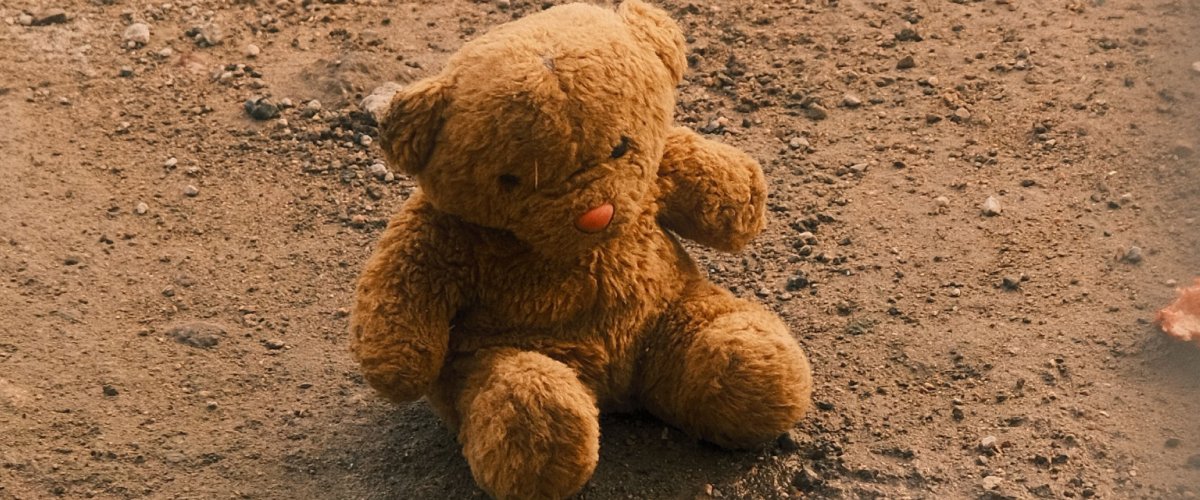
Children face serious, long-term harm as a result of armed conflicts in every region of the world – harm that causes death, injury, trauma, lasting developmental consequences, loss of family, and the destruction of identity. They are not merely disproportionately impacted; children are specifically targeted by international crimes and grave violations.
The latest Annual Report of the UN Secretary-General on Children and Armed Conflict makes clear that violations against children in armed conflict have reached unprecedented levels. In 2025, the UN verified unprecedented 38,558 grave violations against children, the highest figure since monitoring began, affecting more than 24,000 children. Killing and maiming affected over 14,000 children, with the number of children killed rising by 34 percent in a single year. Thousands more were recruited, abducted, denied access to humanitarian aid, food, water and medical care. In many places, schools and hospitals were attacked or used for military purposes. The report also raises concerns about new technology, including explosive-armed drones and the use of artificial intelligence to select targets with limited human oversight, which has enabled faster and more frequent strikes in densely populated areas. It notes that now, in the majority of situations it is government forces, not armed groups, who are responsible for such violations.
In the same week, on 18 June, the Independent International Commission of Inquiry on the Occupied Palestinian Territory, including East Jerusalem, and Israel, issued a report examining violations and crimes against and affecting Palestinian Children, including the deliberate targeting and killing of children in Gaza and violence against children in the West Bank. The report found the commission of multiple violations against children – including killing, torture, sexual and reproductive violence, and conditions of life affecting children – amounting to war crimes, crimes against humanity and genocide.
On 23 June, an OHCHR issued a Report on the Devastating Human Rights Impact of Conflict-Related Sexual Violence in Sudan, documenting 284 incidents against girls, including rape, gang rape, sexualized torture and sexual slavery.
These reports demonstrate not only the scale of violations but also the urgent need for accountability. The harm does not end when fighting stops, and the way justice is delivered matters for all children in all conflicts. At Global Rights Compliance, our Gender, Child and Inclusive Justice (GCIJ) Hub works to make justice child-sensitive at every stage, from the start of the conflict to the rehabilitation of war-affected children, and from documentation to the courtroom. We support an approach to accountability that keeps the safety, dignity and interests of children as a primary consideration.
Since 2023, the Ukraine Mobile Child Justice Team (MCJT) has provided integrated legal and strategic support to Ukrainian justice actors on incorporating child-friendly justice into domestic documentation, investigation and prosecution of crimes against and affecting children. Together with the Office of the Prosecutor General, the MCJT has developed a Best Interests Assessment and Determination Procedure, ensuring that the best interests of each individual child is taken as the primary consideration in each action affecting them. In Iraq, GRC works to support investigations of crimes committed by ISIS against minorities in Sinjar and the Nineveh Plain, including crimes against children. GRC mentors local actors to investigate and build cases related to crimes such as sexual slavery against girls and recruitment and use of children, and to develop investigative tools, including guidelines on interviewing former child soldiers. In Sudan, GRC supports justice and accountability efforts for children, including through submissions to the Committee on Enforced Disappearance on the gendered nature of enforced disappearance of women and girls in Sudan.
Crimes against and affecting children are at record levels, and cycles of impunity perpetuate continued violence and harm. GRC calls for action towards greater accountability and global solidarity, increased collaboration among practitioners, greater inclusiveness of child-sensitive approaches and a commitment to strengthening justice mechanisms that can protect all children affected by the horrors of armed conflict.
“As the future generation of a hopefully freer and more peaceful world, children deserve and are entitled to be made visible in justice processes and to participate in those processes effectively with child-friendly protections. It is incumbent upon us, as the international community, to ensure our responses to atrocities centre on the needs of children and seek to highlight the multiple and differentiated suffering of all children impacted’ – Ruby Mae Axelson, Lead of Gender, Child and Inclusive Justice at Global Rights Compliance.